BACK TO SUSTAINABILITY
Sustainability ReportFebruary 2026

Harvesting, monitoring, and managing — February in numbers.

A glimpse of our sustainability journey through the achievements of our Holiday Eco Farm Production and marine conservation monitoring in February 2026.

7

Varieties harvested from Eco Farm

580

Young coconuts harvested

1,906 kg

Organic waste managed

Senggigi

Coastline coral reef monitored

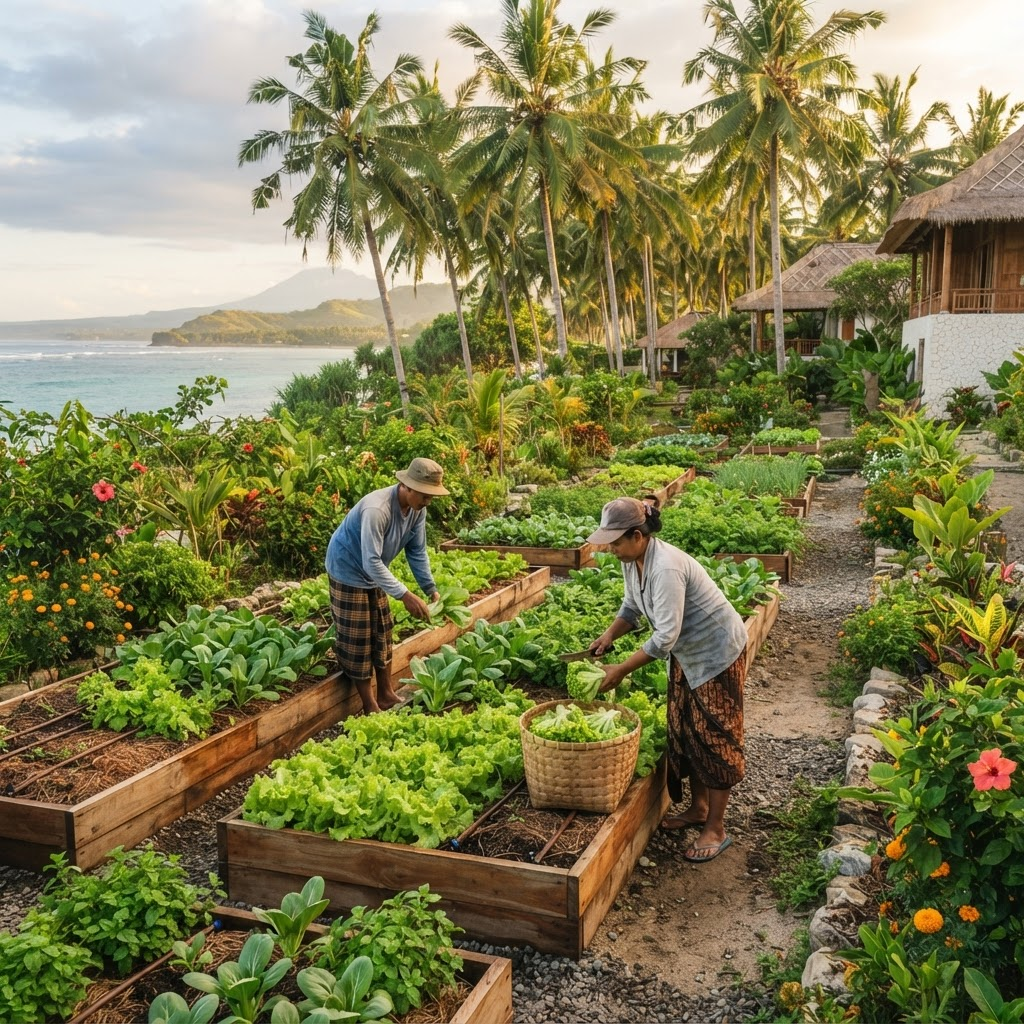
Eco Farm harvest February 2026
Eco Farm

Highlight 1

Eco Farm Harvest — 7 Varieties

Our eco farm successfully harvested a diverse range of fresh produce this month — used directly in our restaurants to support farm-to-table dining while reducing food miles and ensuring the freshest ingredients for our guests.

ProduceHarvest
Pokcoy56.85 kg
Gumitir (Marigold)10.48 kg
Pisang (Banana)5.99 kg
Pepaya (Papaya)12.58 kg
Brazilian Spinach1.76 kg
Pancar1.41 kg
Terong (Eggplant)2.35 kg
Young Coconut580 units
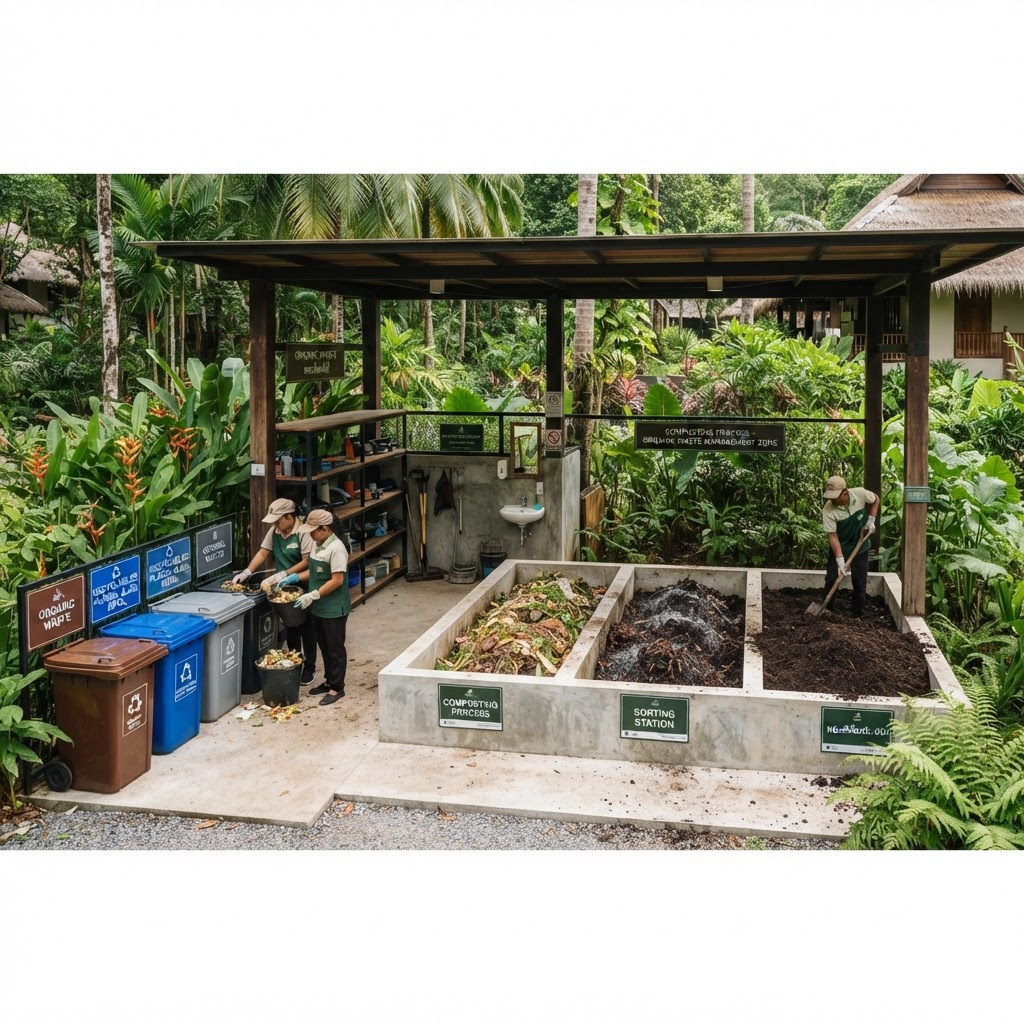
Waste management February 2026
Waste Management

Highlight 2

1,906 kg Organic Waste Managed

During February, our team managed and processed 1,906 kg of organic waste internally — reducing landfill burden while transforming organic waste into compost that nourishes our gardens and eco farm.

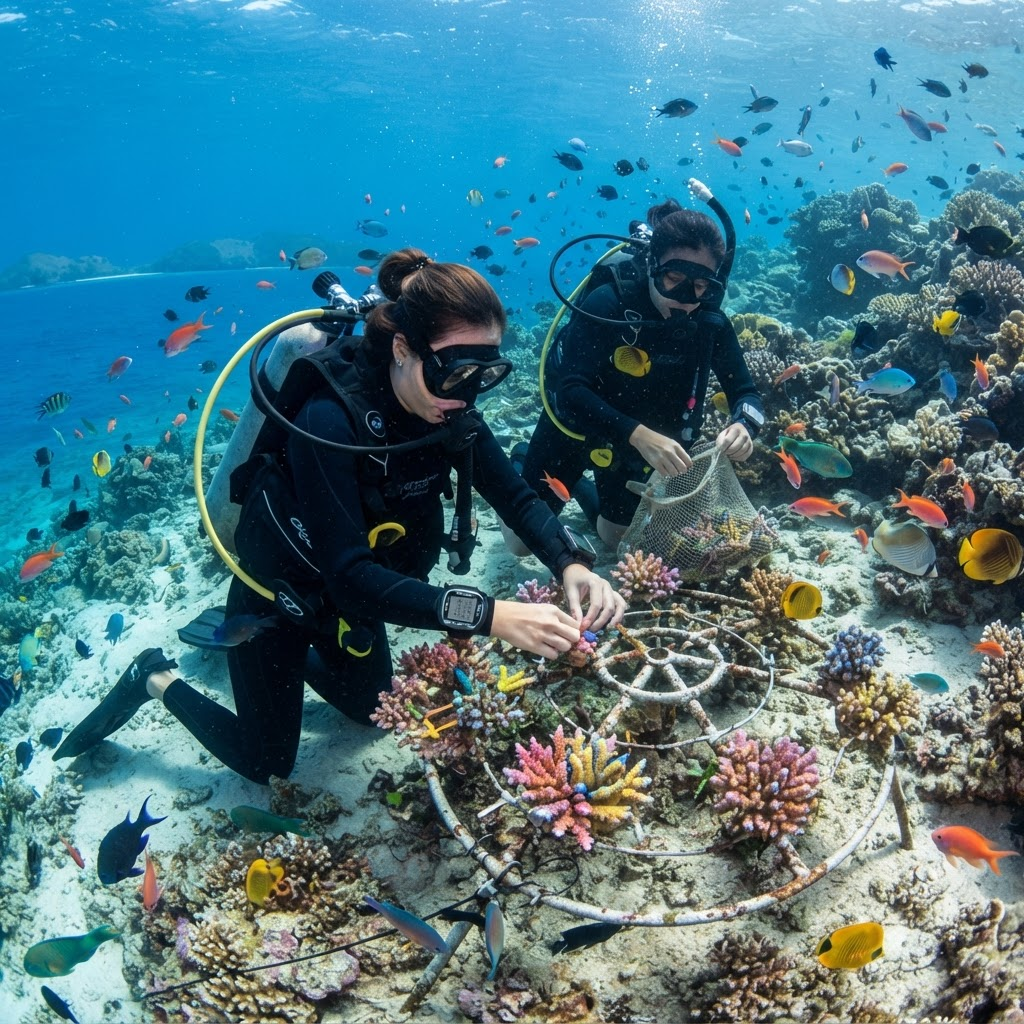
Coral reef monitoring February 2026
Marine Conservation

Highlight 3

Coral Reef Monitoring

Our sustainability team conducted a monitoring activity for the coral reefs planted in January. This routine check ensures the restoration project continues to support marine biodiversity along the Senggigi coastline.

Thank You

Every stay contributes to a greener future.

Thank you for being part of our sustainability journey. We look forward to welcoming you back to experience the freshness of our eco farm and the beauty of sustainable living by the sea.